Mammograms on the move
Baptist’s outreach mammography program brings women together
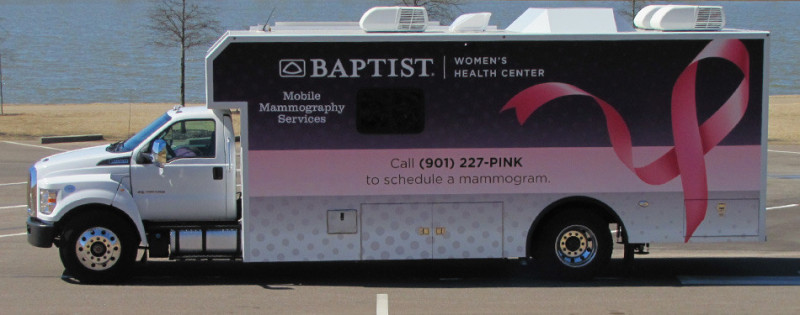
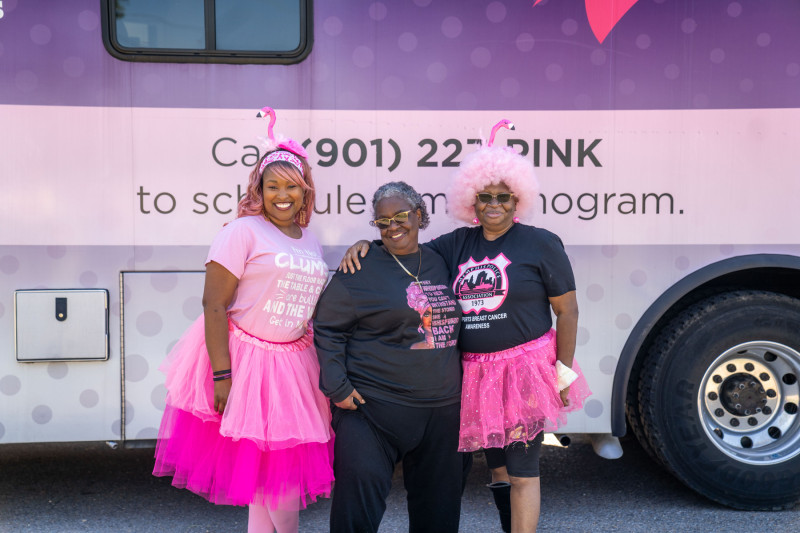
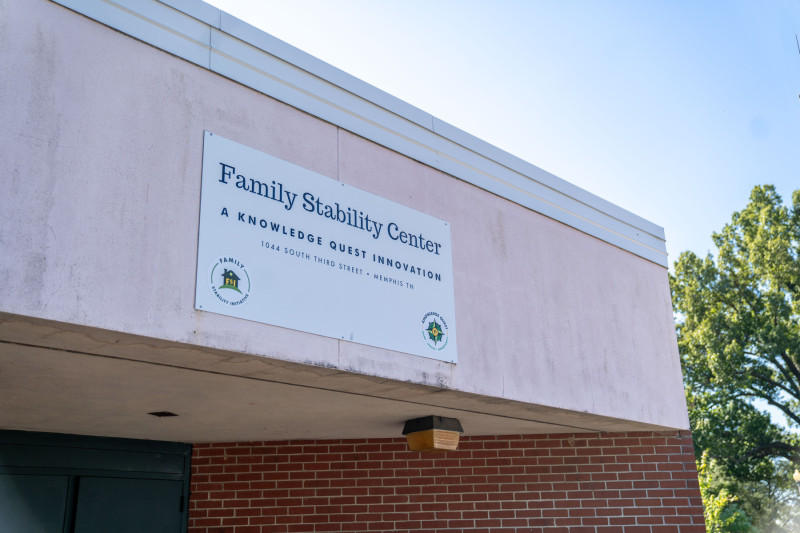
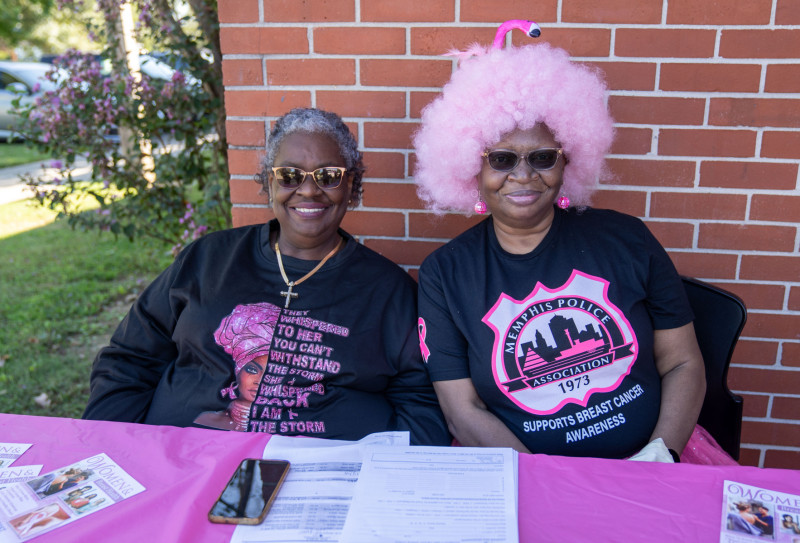
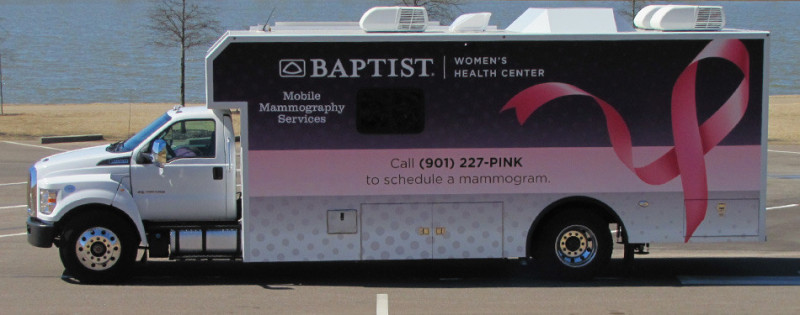
At the corner of Walker and Third St., the Baptist mobile mammography unit sits in front of the Knowledge Quest Family Stability Center. A job fair is taking place next door, and anyone walking to the job fair has to pass the mobile unit — and a lot of women in pink. Some of the ladies stand out more than others. Wearing pink wigs, flamingo headbands, bright pink tutus and big smiles, these women are breast cancer survivors and they play a very important role in making Baptist’s mobile mammography events successful.
“People see us in our pink wigs and tutus by this huge pink van, and they stop to talk,” said breast cancer survivor Elle Coleman. “It shows them people care about them because we come to their communities.”
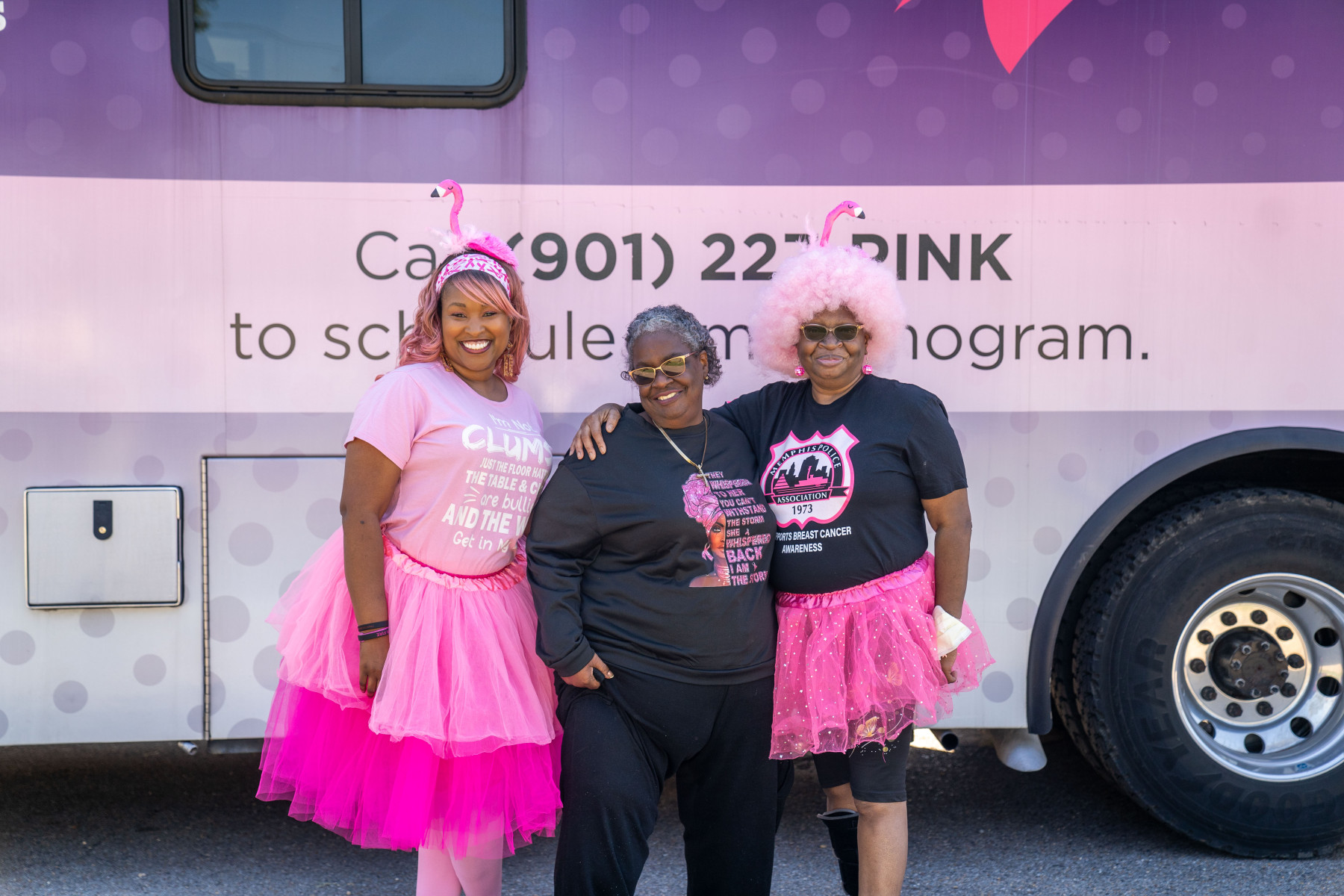
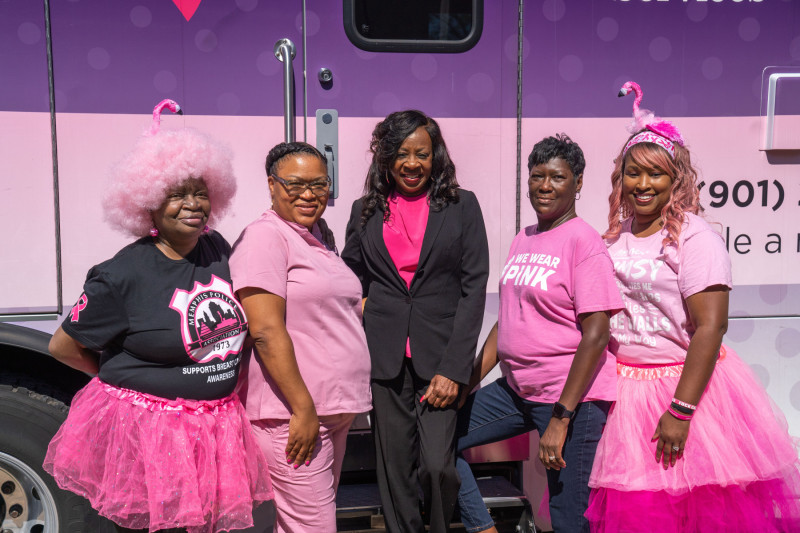
Breast cancer survivors Elle Coleman, Maria Bernadette Williams Johnson and Angela Palmer provide support to women when they arrive for mammograms on the mobile unit.
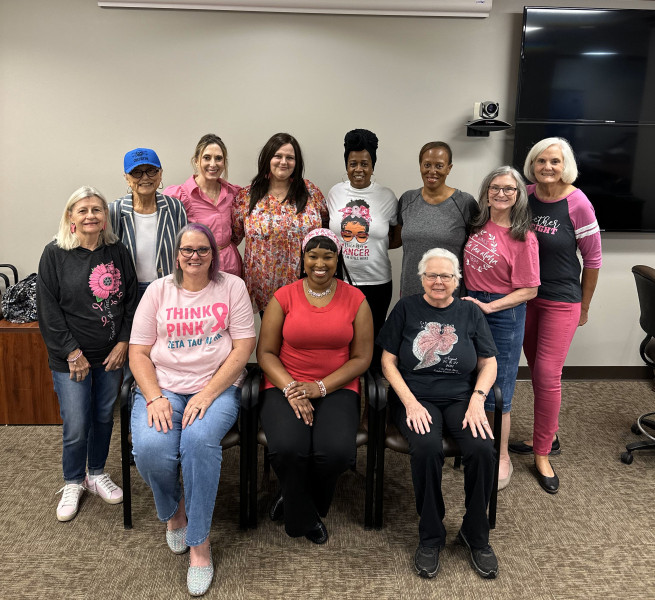
The ladies in pink did not know each other before their cancer diagnoses. They met through Baptist’s monthly support group and formed special friendships through their shared experiences. They all found themselves eager to use their own experiences to support other women.
“I started going to the support group and met Jennifer Coleman,” said Elle. “We hit it off right away, and we even have the same last name,” she laughed. “Jennifer told me about Baptist’s community outreach program, and I knew I wanted to be a part of it.”
Jennifer Coleman (no relation to Elle Coleman) is the outreach coordinator for Baptist Women’s Health Center and a three-time cancer survivor.
Baptist’s Mobile Mammography Unit
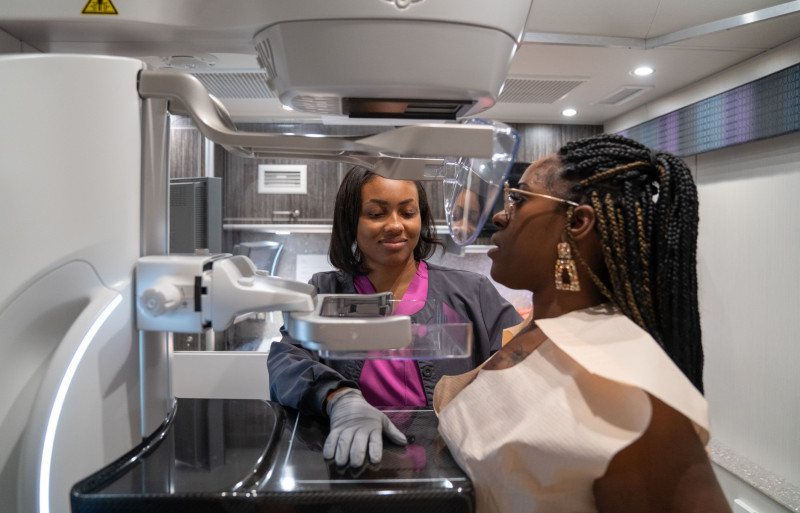
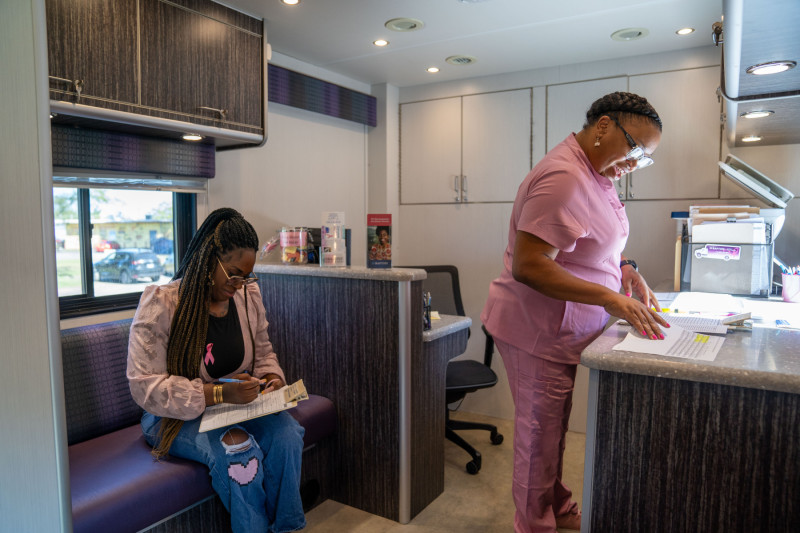
The mobile mammography unit bridges the gap for early detection. Baptist partners with many community groups and businesses to provide convenient locations for mobile mammography services.
One community partner is Knowledge Quest, a nonprofit organization serving South Memphis. Knowledge Quest founder and CEO Marlon Foster stopped by the unit and expressed gratitude for Baptist’s involvement.
“We’re so grateful for the way Baptist comes through for the community we serve,” said Foster. “The folks at Baptist understand we have to make mammograms accessible. When people have limited transportation means or can’t take off work for an appointment, having the mobile come to them makes all the difference.”
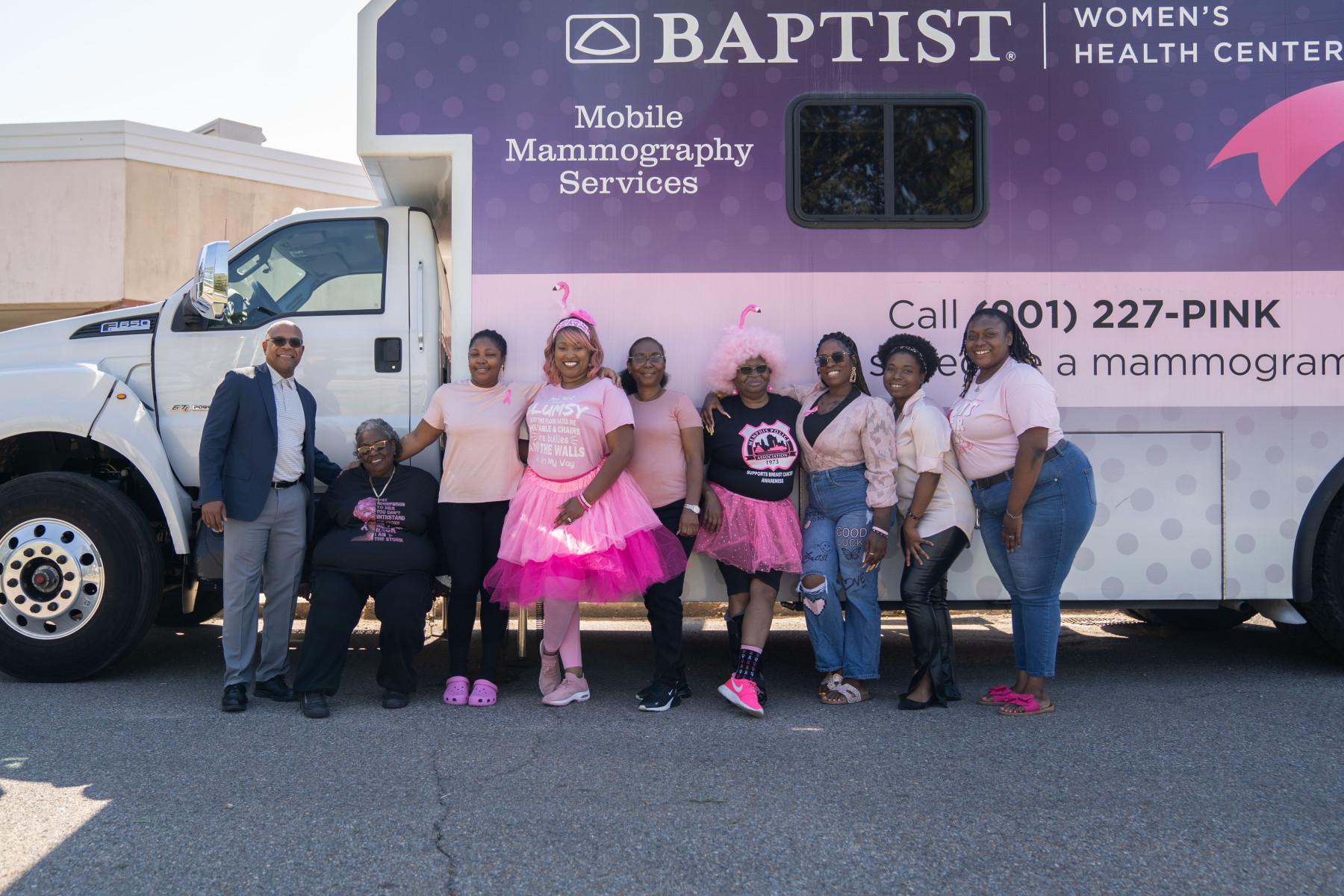
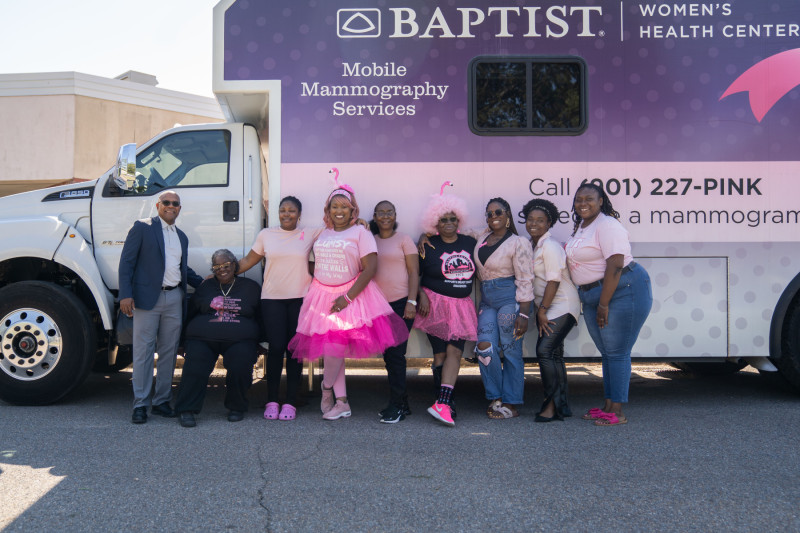
Mobile volunteers pose with the Knowledge Quest team.
The mobile unit provided mammograms to more than 1,000 patients in 2023 and visits an average of 109 locations each year. There is no cost to request the mobile unit, and most insurance plans cover mammograms. Grant funds are available for those without insurance who qualify. “Baptist’s programs were like the light at the end of the tunnel for me,” said survivor Angela Palmer. “I want to help others see the light. The women we see on the mobile think they can’t afford to get a mammogram. When we explain how the mobile helps, and there are grants to help with the costs, we can see a little glimmer of hope in their eyes.”
To schedule a mammogram on the mobile unit, call 901-227-PINK. Visit baptistpink.org to learn more about grant-funded mammograms. | What you need to know about breast cancerBreast cancer is the second leading cause of cancer death among women. While white women have the highest rates of breast cancer, African American women have the highest mortality rates, approximately 37% higher than white women. According to breast cancer foundation Susan G. Komen, it’s estimated there will be 310,720 new cases of invasive breast cancer in 2024. Early detection is key, and annual mammograms increase survival rates. Women should begin annual mammograms at age 40; those with known family history should begin earlier. Most women diagnosed with breast cancer have no known family history. |