Make wellness a priority
The winter months are behind us, and many of us are eager for the new beginnings of spring. Some people use this time of year to do spring cleaning, such as weeding out clothing and items no longer needed for warmer months. It’s also a great time to take an inventory of your health. An annual wellness exam is an important step to managing your health. If you don’t have a primary care provider, find one here.
Why your annual physical is so important
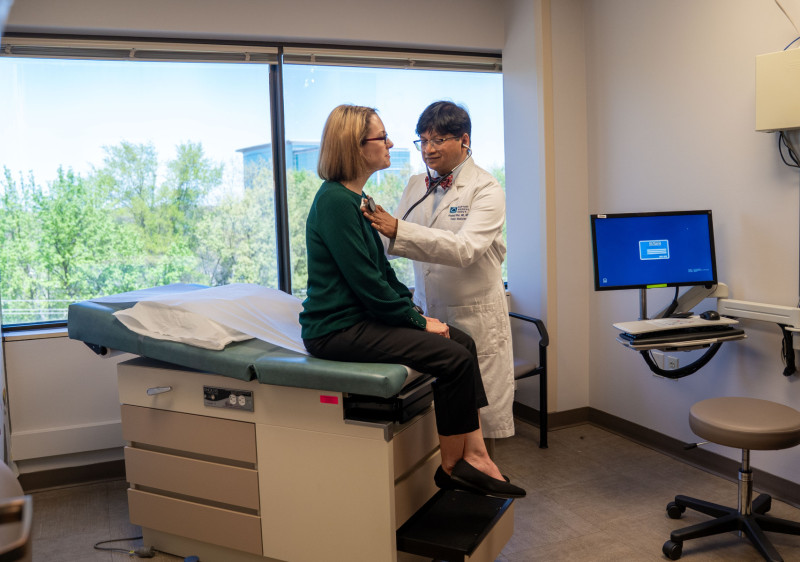
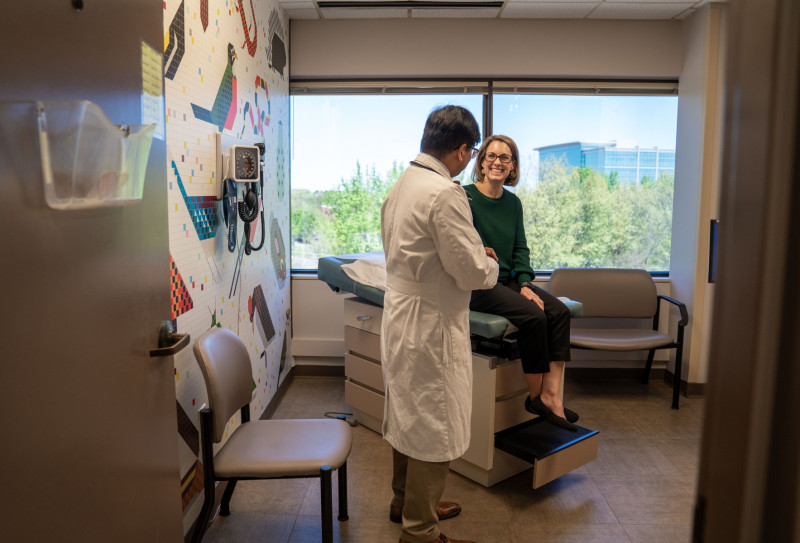
A wellness visit is all about prevention. It’s not an appointment to discuss your sore throat or aching back; wellness visits are intended to review your overall health and engage in preventive measures to keep your body healthy.
“Baptist Memorial Health Care provides holistic and comprehensive visits to our patients,” said Dr. Prashanth Bhat, a family physician and clinical epidemiologist with Baptist Medical Group-Memphis Family Medicine. “We look at a prevention spectrum with four stages — primordial prevention, primary prevention, secondary prevention and tertiary prevention.”

Primordial prevention focuses on a patient’s lifestyle to prevent the development of risk factors. An example might be finding a safe environment for the patient to get regular exercise or ensuring schools have free lunch options available for students who need them. This is different from primary prevention, which focuses on preventing one specific health concern (vaccinations fall into this category). Secondary prevention aims to catch and treat diseases in early stages, while tertiary prevention focuses on limiting disability and rehabilitation when a disease is more advanced.
Bhat refers to the seven pillars of health and says he discusses these when he sees patients for their wellness visits. The pillars are diet, activity, sleep, stress management, social functioning, avoidance of addictions and spirituality. Paying close attention to the seven pillars is an important aspect of disease prevention.
“When we optimize primordial health, we can prevent many health conditions that will affect us,” said Bhat.
Wellness visits are so important that most insurance carriers will cover the entire cost of the consultation, vaccinations and associated screenings. All insurance providers in compliance with the Affordable Care Act cover wellness visits, but some private insurers may not. If a patient wants to discuss current health issues beyond the scope of a wellness visit, this may result in an additional charge.
What to expect during a wellness visit
A typical wellness visit should take between 30 and 45 minutes. It begins with a comprehensive review of medical, surgical, social and family history. Patients seeing a Baptist provider can submit their personal and medical history in advance using Baptist OneCare MyChart, or they can arrive early for their visit to answer these questions prior to their appointment.
Family history is especially important to prevent or postpone cancer, heart attack, stroke, dementia and osteoporosis. An open discussion about the patient’s social history should include an assessment of addictive substance use, sexual history and risk assessment.
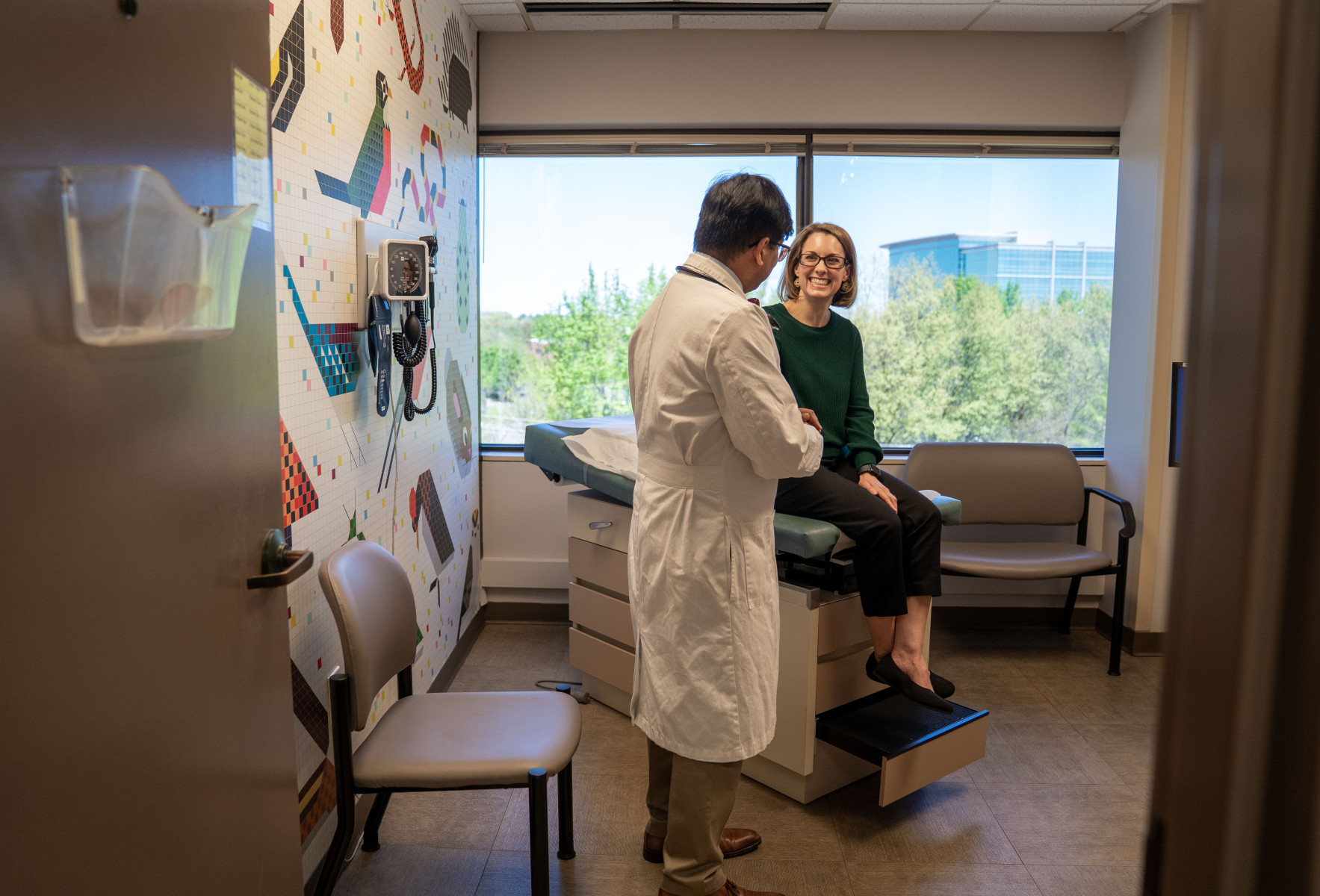
Following recommendations from the Advisory Committee on Immunization Practices, your physician will offer immunizations. Your doctor will check height, weight, body mass index, blood pressure, abdominal girth, respiratory rate and temperature. He or she will conduct a risk assessment for depression and anxiety, order labs to screen for health conditions and administer a basic vision test.
Common screenings include determining the likelihood of a heart attack or stroke within the next 10 years, as well as screening for preventable cancers, such as colon, breast and cervical cancer. Physicians also screen for obesity, diabetes and lung cancer.
For patients with Medicare, physicians follow the guidelines from the Centers for Medicaid & Medicare Services for annual wellness exams. In addition to the regular exam, these patients will be assessed for fall risks, hearing loss, home safety issues, transportation and food insecurity issues, financial challenges related to medications and advanced care planning. Your doctor should provide a comprehensive plan for the near future to optimize your health.
Key screenings and when to get themFor screening recommendations, doctors should follow guidelines from the U.S. Preventive Services Task Force, an independent, volunteer panel of national experts in disease prevention and evidence-based medicine. All women should begin receiving annual mammograms at 40 years old or younger if they have a family history of breast cancer. Women also need regular Pap smears to screen for cervical cancer. While many women see a gynecologist for these screenings, a primary care provider may include gynecological screenings during a wellness exam. Medical providers can refer patients to radiology for mammograms and administer a co-testing screening to check for cervical cancer and human papillomavirus (HPV). This co-testing approach is repeated every five years. Standard Pap smears only look for abnormal cells and are administered every three years; the co-testing approach also looks for HPV, which causes 99% of cervical cancers. All adults should receive colonoscopies beginning at age 45. Those with a family history of colon cancer should receive their first colonoscopy 10 years earlier than the age when their family member was diagnosed. Osteoporosis screening begins at age 65 for women, and insurance covers bone density scans every two years for women meeting the age requirement. Women can opt for earlier screenings, but these are not likely to be covered by insurance. Your doctor will assess the risks for falls and consider bone and muscle health. Prostate screening is very individualized and should involve a discussion about risks related to family history and certain ethnicities. Generally, the first screening process is a blood test, followed by an MRI if those results are abnormal. If patients are sexually active and have multiple partners, their physicals should include comprehensive testing for sexually transmitted infections. |
Bhat often sees patients who have not had regular physical exams, which puts them in “catch-up” mode. “People say they don’t have the time for a physical, and they wait too long. We take better care of our cars than our bodies and minds,” he said.
Many life-threatening conditions are preventable, including most cancers and strokes, but patients need an annual exam to stay on top of these.
“We see many elderly patients with pneumonia,” said Bhat, “but we have very good pneumonia vaccines that cut the risk by two-thirds. Similarly, we have excellent vaccines for respiratory syncytial virus (RSV), which is common and highly contagious. It’s mild for most people but very dangerous for infants and adults older than 65. We have two vaccines for infants, one for pregnant mothers and another for those 65 and older.”
Bhat is passionate about wellness and hopes more people will adopt habits to be proactive about their health.
“We want all our patients to use these tools to prevent disease and detect illnesses as early as possible. When we all follow prevention recommendations, our health can vastly improve. There’s zero harm in following a healthy diet, being active, getting enough sleep and reducing stress.”
Dr. Bhat is a family physician and clinical epidemiologist. He practices at Baptist Medical Group–Memphis Family Medicine in East Memphis, and he is the associate program director of the Baptist Family Residency Program. He has been a physician for 25 years.