Osteopathic manipulative treatment may be the answer to your pain
Hands-on technique can manage pain and improve health
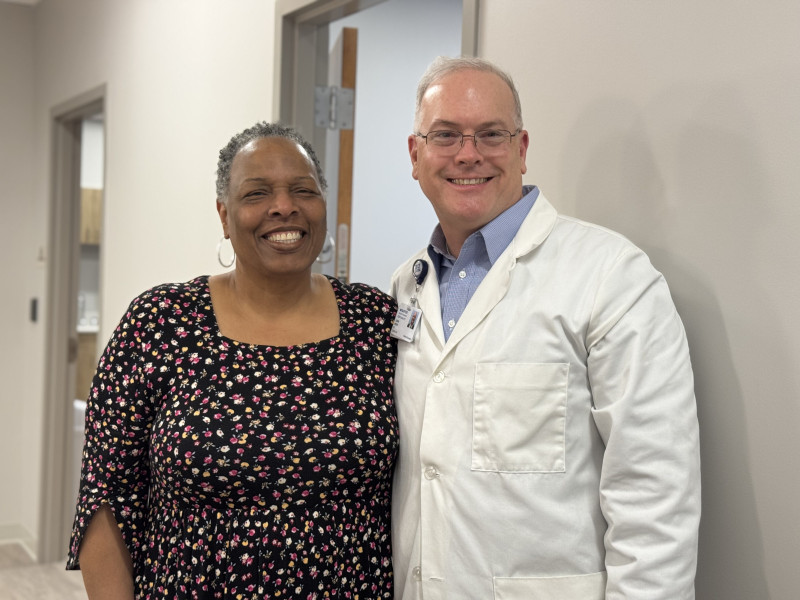
Dianne Titus thought severe pain was going to be part of her life forever. At 62, she’d gotten used to constant pain from sciatic nerve issues, bulging discs and bilateral rotator cuff tears.
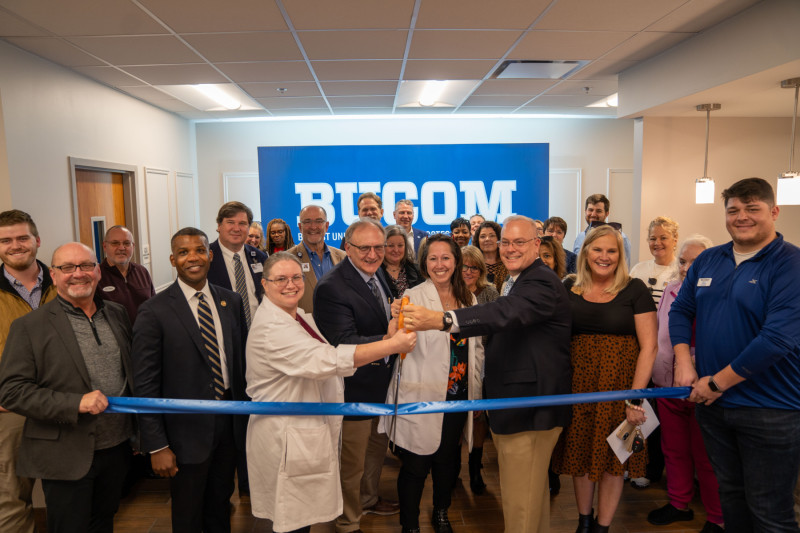
A manager at Baptist Medical Group, Titus received an invitation from BMG for an open house at the Baptist Medical Group-Osteopathic Manipulative Medicine Clinic.
The OMM Clinic is the only clinic of its kind in the metro-Memphis area. Physicians at the clinic practice osteopathic neuromusculoskeletal medicine, incorporating osteopathic manipulative treatment to help patients with pain management and other conditions.
“I was skeptical, but I wanted to find an alternative to medicine or surgery,” Titus said, “so I went with some coworkers to see what it was all about.”
She met Dr. John C. Biery Jr. at the open house and liked how he listened to her and thoughtfully answered her questions, so she made an appointment.
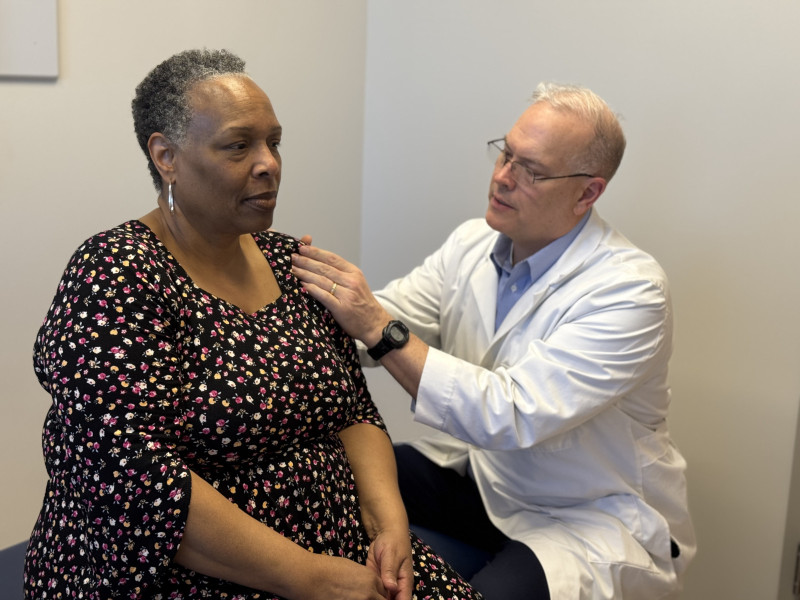
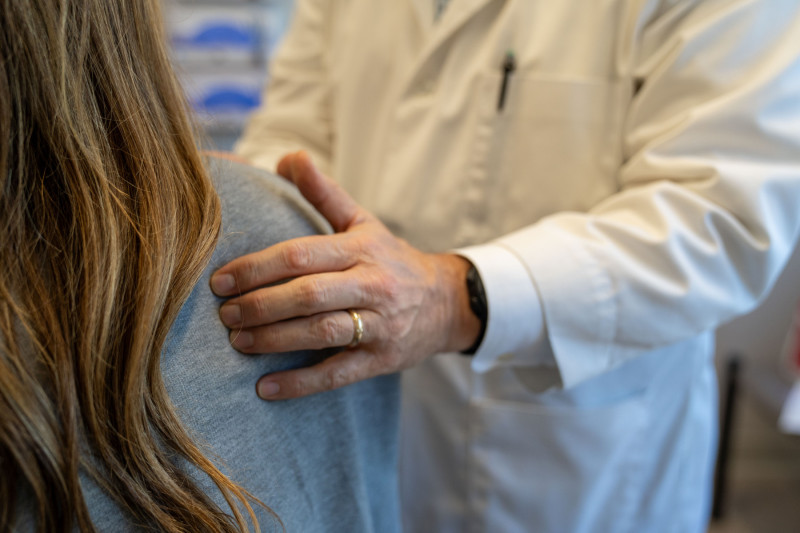
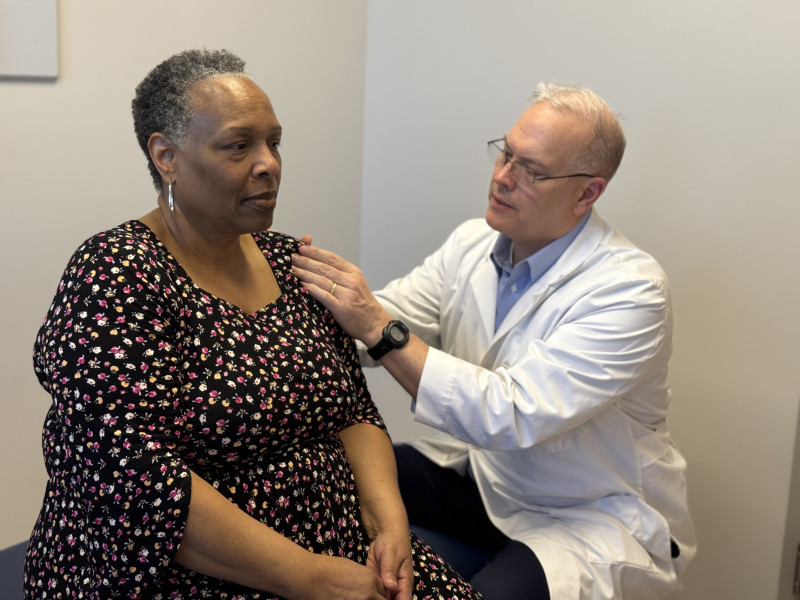
“Dr. Biery did a thorough review of my records and complaints. Then he had me lie on the table and gently touched my body from my head to toes. It didn’t hurt at all, and I felt like there was no way it was doing anything,” laughed Titus. “I left there still doubtful, but then I slept all night on my right side. I haven’t been able to sleep on that side for a year!”
Her second visit with Biery focused on her shoulders, ending years of stabbing pain. She estimates her shoulders are 85% to 95% better since seeing Biery.
“Everything went from doom and gloom to hope,” she said. “I can lift my arms above my head and comb my hair without pain. I thought I had to accept that I’d always be in pain, and Dr. Biery showed me it doesn’t have to be that way. I feel better than I’ve felt in years!”
What is osteopathic manipulative treatment?
OMT is a hands-on approach that helps correct structural imbalances in the body, relieve pain and improve circulation. OMT focuses on the nervous system, muscles and joints to improve body movement and organ function for overall health and well-being. It is practiced by doctors of osteopathic medicine, or DOs, who are trained in comprehensive health care for the body, mind and spirit.
Using several OMT techniques, DOs apply gentle pressure to move the muscles, soft tissues and joints. The treatment encourages the body to heal itself by ensuring bones and muscles are aligned and balanced properly.
 Maricarmen’s story
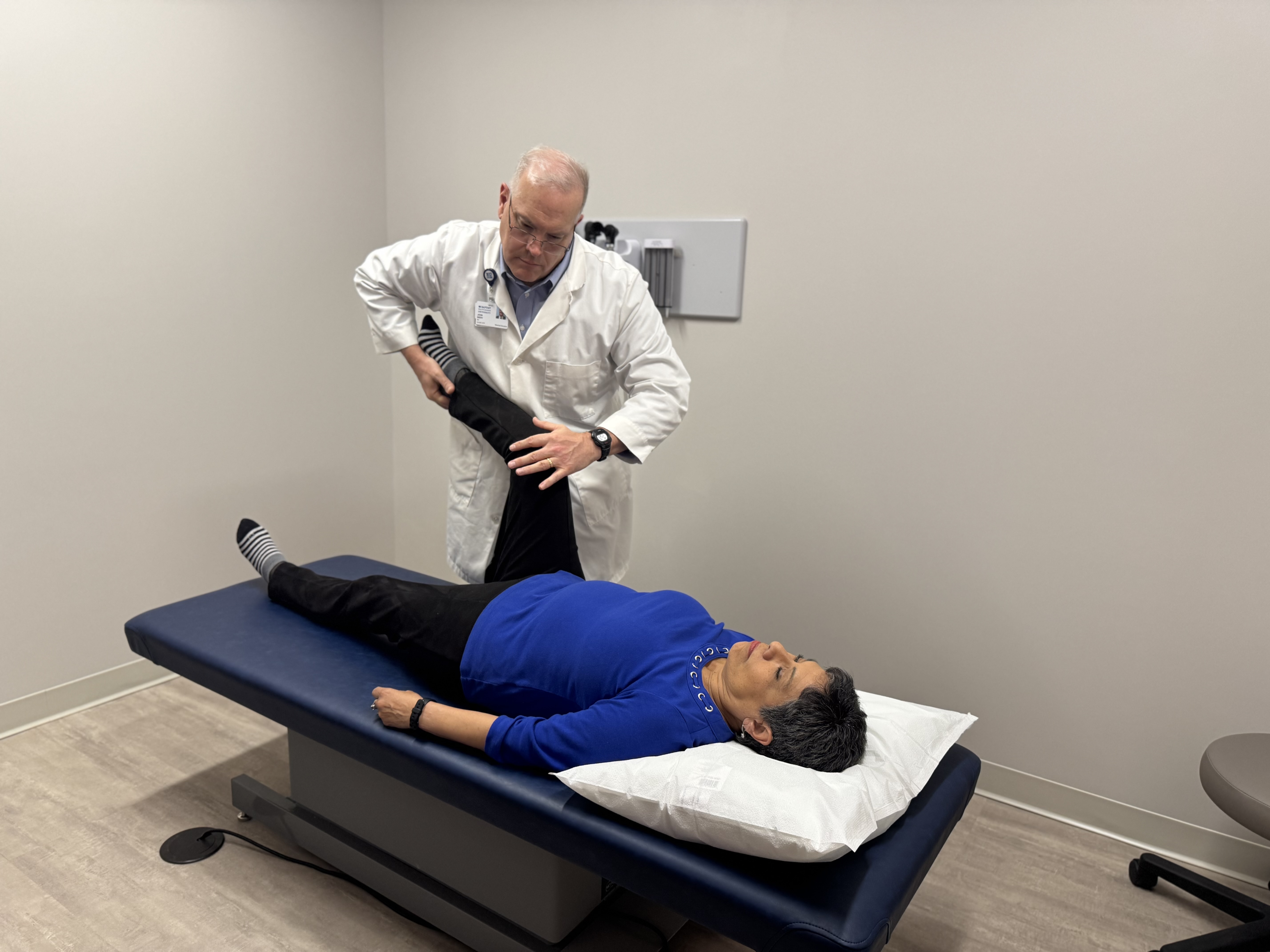
Maricarmen Windisch, 61, has suffered from back pain for years. She’s been diagnosed with fibromyalgia, a herniated disc, cervical stenosis, pinched nerves in her neck, sciatica and arthritis. Specialists have prescribed medication, injections and physical therapy.
“My physical therapists were great, but PT wasn’t providing enough relief,” she said. “I also really don’t like to take medicine if I don’t have to, so I felt like I was stuck.”
Windisch was nervous when she arrived for her first appointment, but Biery instantly made her feel comfortable.
“He’s professional and empathetic, and he really listened to my concerns. Every time I go, I feel much better. For the first time, I can see a light at the end of the tunnel.”
What to expect during OMT?
There are more than 40 OMT techniques to reduce pain, improve range of movement and encourage blood flow. Your doctor may use one technique or several.
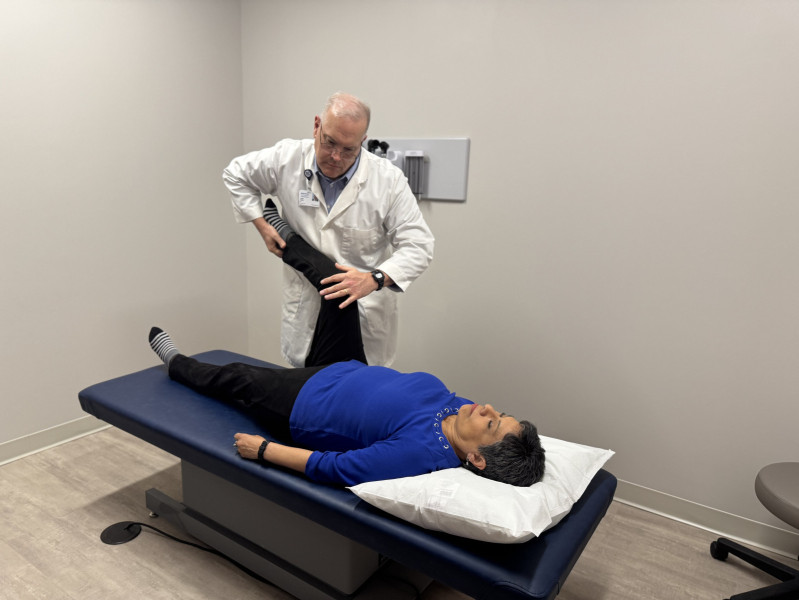
Depending on the technique, you will lie on your back, roll onto your side or pull your knees to your chest. While you’re in these positions, the doctor will use gentle pressure and resisted movements to stretch your muscles and move joints into better alignment. Your DO may ask you to hold and release your breath at specific times.
The doctor may use slow, continuous pressure or quick, sudden movements. Some motion may feel a little strange or awkward, but they shouldn’t hurt. Some movements may cause a clicking noise.
How is OMT different from chiropractic care or physical therapy?
DOs are fully licensed physicians and work in conjunction with other practitioners across the spectrum of medical care.
“Having a full medical education gives a DO a different perspective,” explained Biery. “We are trained first as physicians, and then we also specialize in musculoskeletal care. Our scope of experience gives us a broad perspective.”
Chiropractors are primarily limited to manual medicine and nutritional interventions for musculoskeletal conditions. Physical therapists are often limited to consultative visits and use manual medicine for rehabilitation from injury or illness. These practitioners usually need to refer patients elsewhere for interventional services like injections or to prescribe medication, but a DO can order additional testing, perform injections or prescribe medication with or without additional referrals.
Some studies have shown including OMT in the patient’s health management can lead to a decreased need for injections and pain medications.
Biery added, “We don't want to take another doctor’s patients; we want to work with them to provide the best care, especially if they’re not getting the results they’d like.”
Who is a candidate for OMT?
Referrals are not needed to see a DO for OMT, but many patients come to the clinic based on referrals from a variety of areas: pediatrics, obstetrics and gynecology, sports medicine, orthopedics, nephrology, surgical specialties, cardiology, pulmonary and internal medicine.
OMT is especially helpful in treating pain for patients who aren’t suitable for orthopedic surgery, and it also can help with easing pain that may persist after surgery. It’s beneficial for pregnant women who can’t take pain medication and for newborns who have trouble with latching and feeding or plagiocephaly (flattened head) and torticollis (a condition where a baby’s neck muscles are tight). OMT can help with breathing difficulties, sports injuries, bowel issues, anxiety and depression.
OMT in a hospital setting may shorten hospital stays, especially with patients suffering from pneumonia, as OMT can help with diaphragm restriction and help mobilize fluid.
Samantha’s story
Samantha Goodwin, 30, made an appointment at the clinic because she was feeling rundown and had inflammation in her knees. As the director of marketing and business communications at Baptist Medical Group, she was familiar with OMT.
“I loved learning about it from the physicians coming on board with us,” she said. “They were so passionate about helping people, so I thought, ‘why not?’”
Outside of her role at Baptist, Goodwin teaches three Pilates classes a week and is an avid runner, but fatigue and lack of motivation were taking a toll on her active lifestyle. She saw Dr. Amanda Robinson at the OMM clinic.
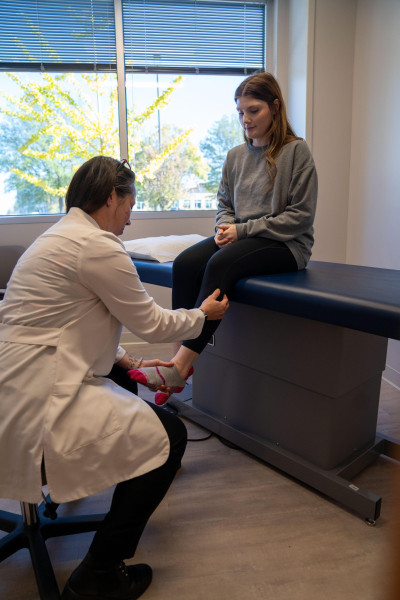
“I was having a lot of headaches, but I didn’t mention that to Dr. Robinson,” Goodwin said. “She said I had a tight muscle in my calf and a tight Achilles tendon. She explained there’s a fascial connection that runs from my calf to my neck that could cause pain when I overworked my calves, leading to headaches. On the days when I teach two back-to-back classes, I was getting migraines after I taught, but I never would’ve guessed it was related to my calves.”
Robinson worked on Goodwin’s calves and neck, completely eliminating Goodwin’s headaches.
“I haven’t had a migraine since that first treatment!” Goodwin said. “I used to get right in bed after I taught those classes because the pain was so bad.”
Dr. Robinson also used OMT to reduce inflammation and fluid in Goodwin’s knees.
“I felt like my body was failing me. Dr. Robinson was genuinely interested in getting to the root cause of my issues, not just treating my symptoms. She gave me the tools to help myself, and now I’m careful to pay attention to my calves and properly stretch. Seeing her for OMT enabled me to keep the active lifestyle I love, and I’m so thankful.”
About the Baptist Medical Group-Osteopathic Manipulative Medicine Clinic
Located in Southaven, Mississippi, the BMG-OMM Clinic is the first OMM clinic in northern Mississippi and western Tennessee. The clinic is a collaboration among Baptist Health Sciences University College of Osteopathic Medicine, Baptist Medical Group and Baptist Health Sciences University.
In July 2025, the OMM Clinic will launch an Osteopathic Neuromusculoskeletal Medicine Residency Program and host third- and fourth-year osteopathic medical students from BHSU College of Osteopathic Medicine.
Four board-certified osteopathic neuromusculoskeletal medicine physicians see patients at the OMM clinic, with a fifth scheduled to begin in the spring. Because they all teach at BHSU College of Osteopathic Medicine, their days in the clinic are staggered, but at least one DO is practicing in the clinic Monday through Friday between 8 a.m. and 4:30 p.m.
Contact the clinic
Baptist Medical Group-Osteopathic Manipulative Medicine Clinic is located at 391 Southcrest Circle, Suite 101 in Southaven, Mississippi. For more information, contact the clinic at 662-772-3460.