Faith helps 37-year-old mom face metastatic breast cancer
What to know about detecting breast cancer early
Rachel Rapp walked into the emergency department in March, and her whole life changed. She was struggling to breathe and had a persistent cough, despite antibiotics and steroids. Doctors diagnosed her with multifocal pneumonia, but that wasn’t the only diagnosis she received.
“This doctor was about my age. She had tears in her eyes as she said, ‘we think you have metastatic breast cancer.’ I’d just seen my OB-GYN three days earlier for my annual exam. I was in shock.”
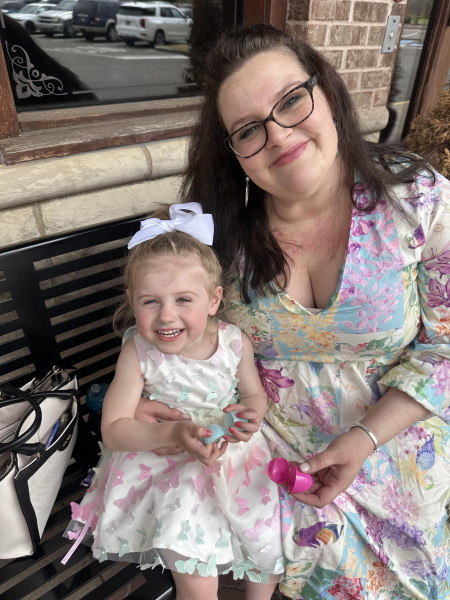
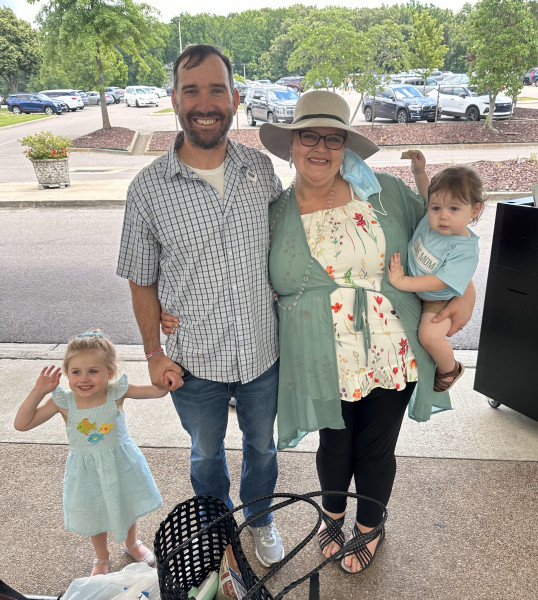
Mom to 3-year-old Grace and 1-year-old Andrew, Rapp was shocked but quickly transitioned into mama bear fighting mode, and her faith played a major role.
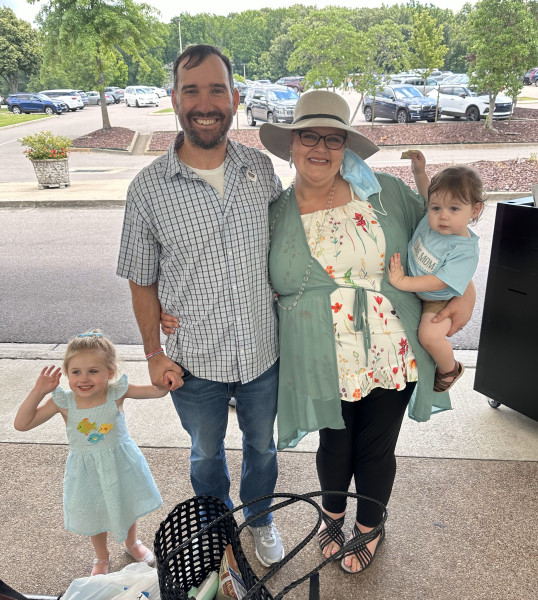
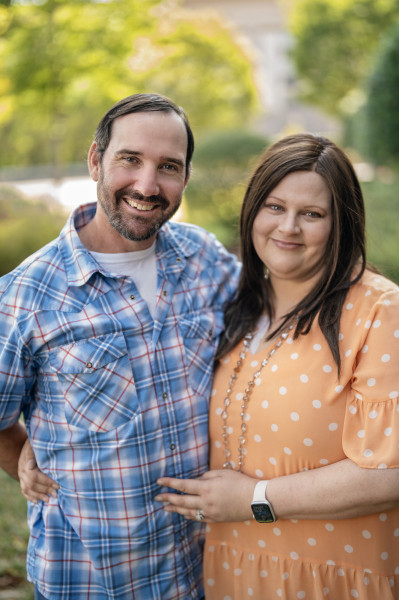
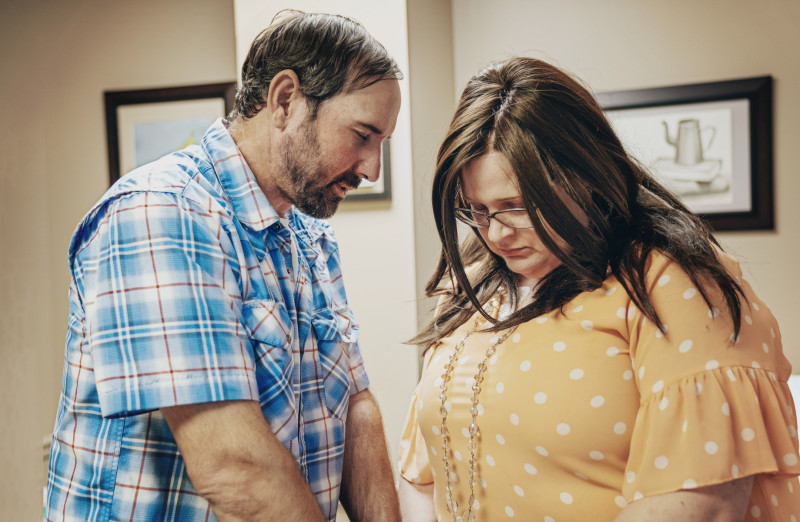
"Of course I’m scared, but there was a time when I didn’t think I’d be able to have children. God’s not going to bless us with these beautiful babies and take me away from them. I sat on the bed with my husband, and we prayed. We gave it all to God.”
Baptist Cancer Center hematologist/oncologist Dr. Aleksandar Jankov ordered a lung biopsy, and Rapp received her diagnosis — Stage IV breast cancer. She was on full oxygen and could barely get out of bed. She was in the hospital for two weeks and had about 30 bags of antibiotics.
“We weren’t sure I’d ever leave the hospital, and we thought I’d always need oxygen. Making it out of the hospital was nothing short of a miracle.”
Rapp not only left the hospital; she arrived at her follow-up appointment without oxygen.
The treatment plan
Because the cancer was so advanced, surgery wasn’t an option. So Rapp chose an aggressive treatment plan and immediately began her first round of infusion chemotherapy. She completed six full rounds of two types of chemotherapy — in just four months.
"I told Dr. Jankov I didn’t care what I have to go through; I want to be here to see my kids grow up."
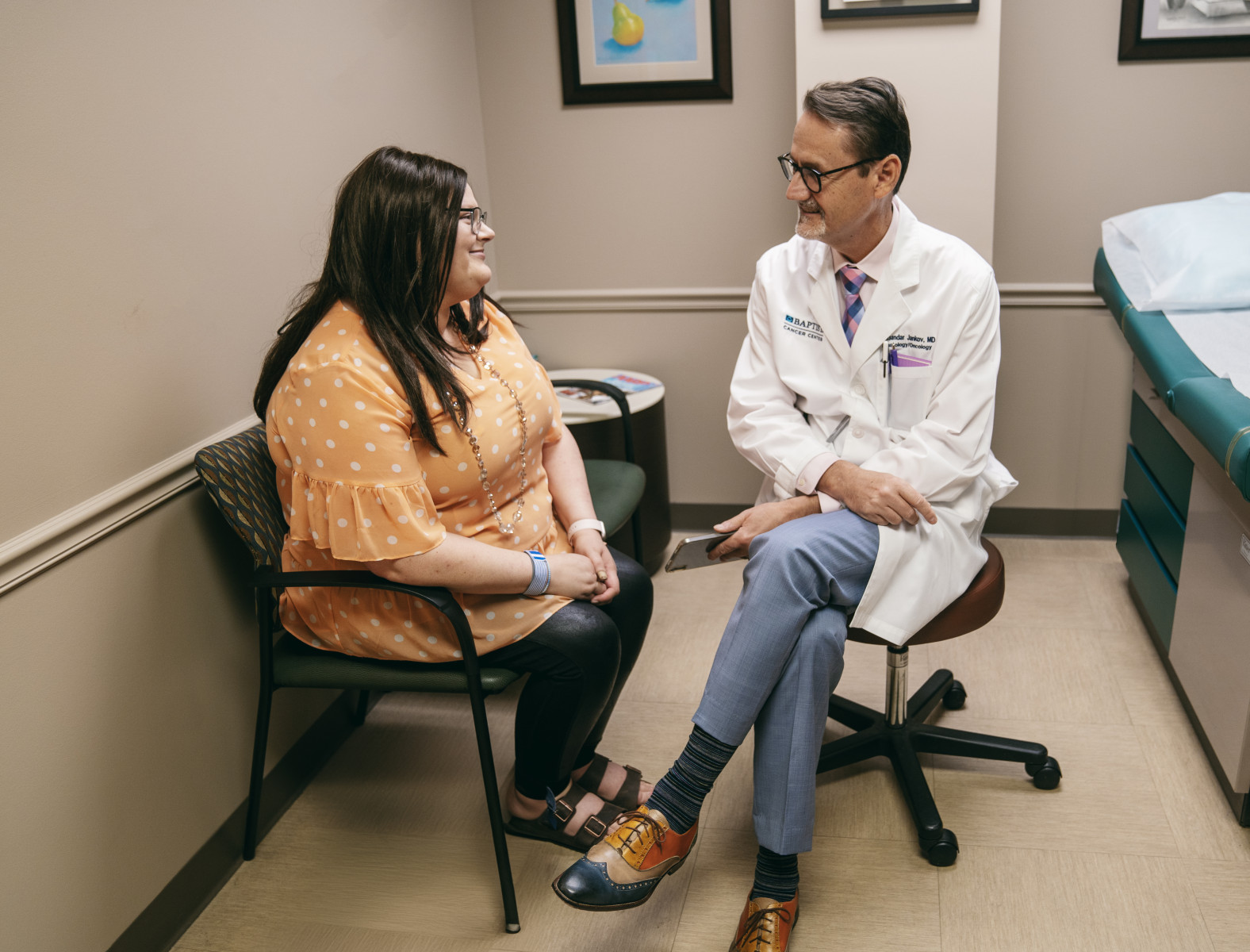
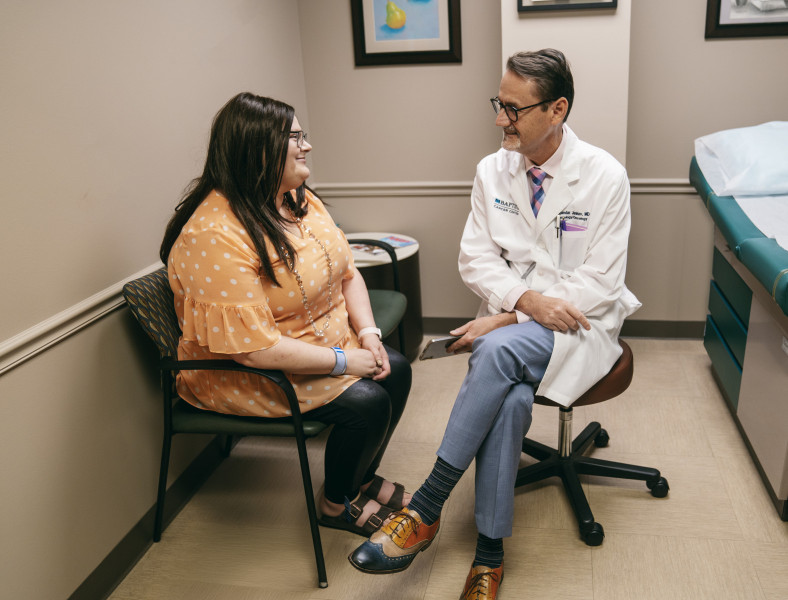
Rachel and Dr. Jankov during a follow-up appointment.
Family history and genetic counselingRapp’s maternal great-grandmother had a double mastectomy, and her father’s sister also had breast cancer. Rapp’s diagnosis means her own children will need annual mammograms starting at age 30. At age 37, Rapp hadn’t met the threshold to begin annual mammograms, which typically begin at age 40. Because she had a child who was only 1 year old at her diagnosis, her hormones were in flux, making it much harder to detect a lump with a manual exam. After her diagnosis, Rapp underwent genetic testing. Her results did not indicate any genetic predispositions to breast cancer. “With cancer, family history is vital,” said Andrew Bell, director of genetic counseling at Baptist. “Women need to know when relatives were diagnosed, how old they were at diagnosis and what type of cancer they had. Some cancers automatically qualify relatives for genetic testing. Having those discussions with family members can save a lot of lives.”Bell oversees a team of five genetic counselors, and Baptist is the only facility in the Memphis area with on-site adult cancer genetic counselors. “Genetic testing changes rapidly, and we’re learning more every day. For example, in 2012, we were looking at about six genes for breast cancer. Today, we can look at about 20. I tell people if their testing was before 2019, they need to consider additional testing.” | Symptoms of breast cancerIn Rapp’s case, genetic counseling alone wouldn’t have caught her cancer. Dr. Jankov said women should see a doctor if they notice these signs:
|
Dr. Jankov wants women to know it’s easy to get a referral for genetic counseling.
“You don’t need a specialist to order the counseling; your primary care physician can do that.”
Baptist’s genetic counseling program offers grants for women whose insurance may not cover the costs.
Click here for a short quiz to determine whether you should consider genetic testing.
Rapp’s support system
“My husband and mom have been my rocks throughout this. I couldn’t even do laundry. I’ve needed so much help from others, and it’s been overwhelming to see how many people are jumping in to help us.”
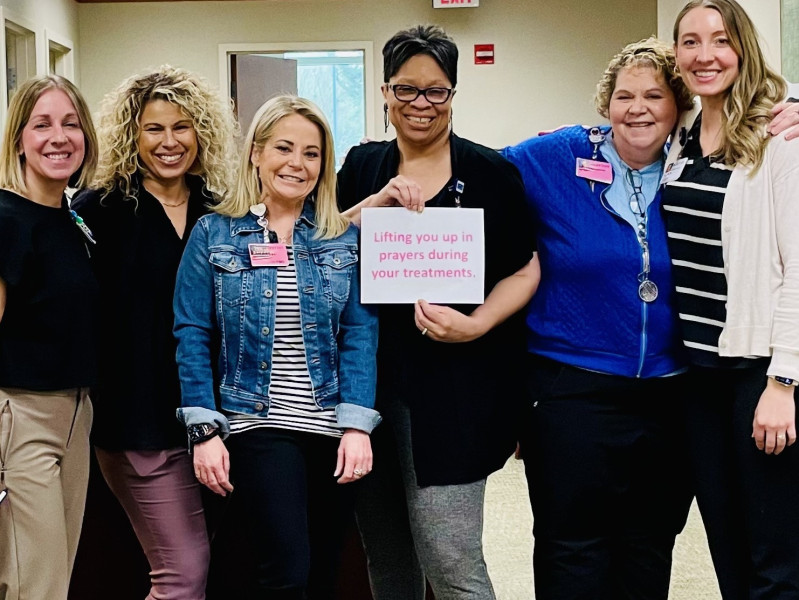
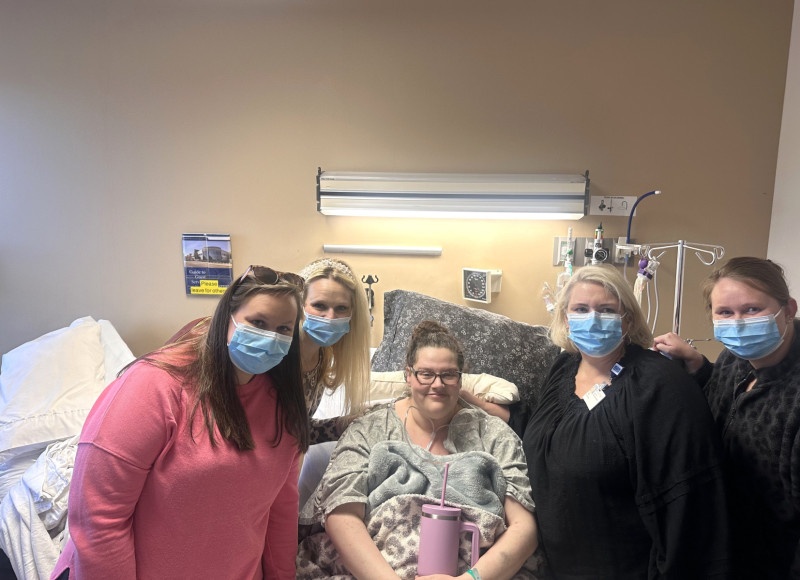
Rapp isn’t just a Baptist patient; she’s also an employee. She’s worked as an administrative secretary at Baptist Memorial Hospital for Women for two and a half years, and her work-family rallied around her.
"God surrounded me with selfless and caring coworkers who have dedicated their lives to helping women. And Dr. Jankov — he is wonderful! I told him in the very beginning that I knew God sent him to heal me."
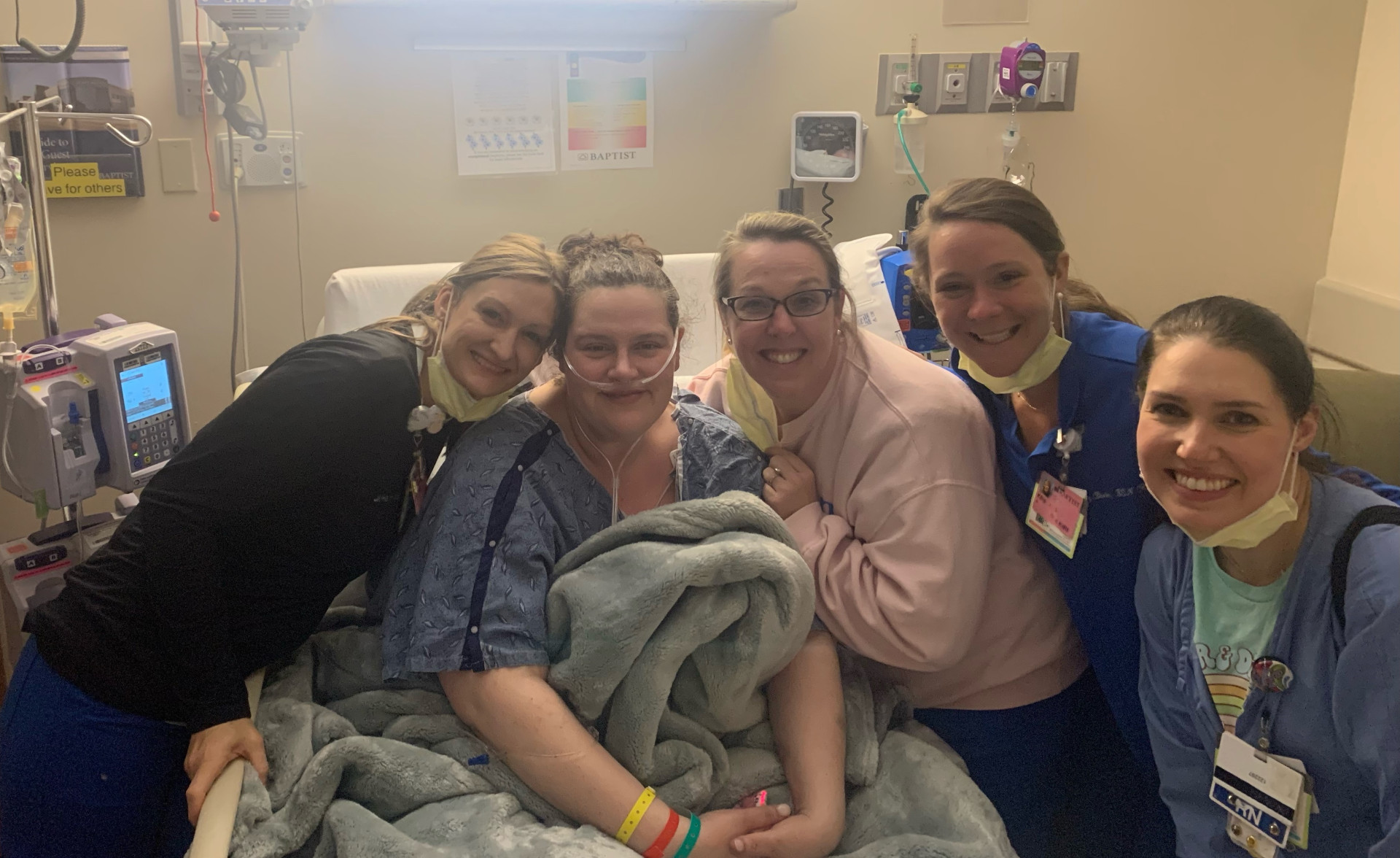
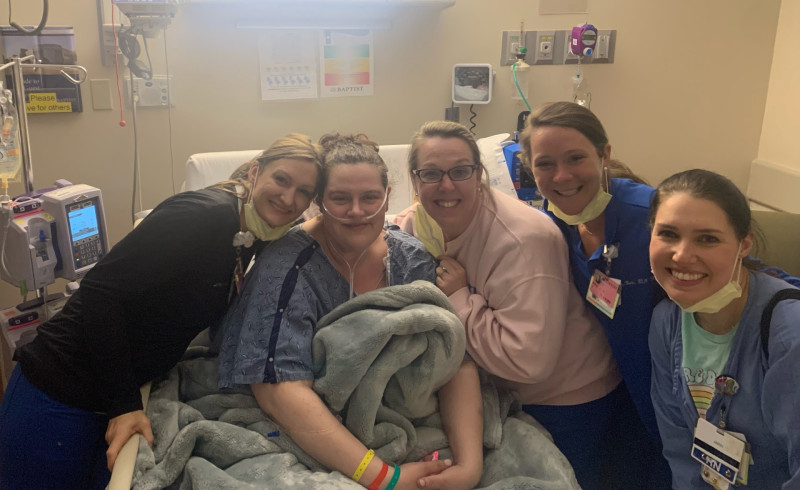
Rachel's coworkers kept her spirits up during her hospital stay.
Baptist Cancer Center uses a multidisciplinary approach to treating breast cancer patients. A team of professionals meets weekly to discuss cases, working together to find the best options for each patient.
“It’s so much more than just having an oncologist. It’s a galaxy of providers,” Dr. Jankov said. “That includes nurses, genetic counselors, surgeons, mammographers and social workers. It really takes a village.”
Rapp is grateful for her Baptist village, and she believes she is meant to use her diagnosis to spread awareness to others. Her children will have important information about their cancer risks, which will lead to early screenings, and she recognizes that knowledge is a valuable gift. She is thankful for the opportunity to show her young children how faith can carry them through difficult times.
“I want them to know you’re going to go through storms, but it’s not about what you go through. It’s how you get through it, and it’s important that your faith never wavers.”
Next steps
Because Rapp’s cancer is so advanced, the primary focus is to prevent additional spreading. Cancer cells were found in both breasts, her lungs, two ribs and her right hip bone. After she completed the infusion chemotherapy, a CT scan showed no cancer in her lungs and no new areas. Her original mass is considered stable.
“They say I’ll always have cancer, but I’m technically in remission,” she said. “My remission isn’t the same as what most people think of when they hear remission. MY remission means it’s stable. It’s still cancer, but it’s not as bad as it was.”
In September, she began an oral chemotherapy regimen. She takes two different medications — one daily, but the other is so strong that her body needs time to recover. She takes that medication for 21 days, then takes a week off before starting again.
Rapp’s faith has been instrumental during this difficult time.
“I know it sounds crazy, but I’m thankful God has allowed me to see His goodness through this, that He’s healing me. I’m so grateful for everyone who has prayed for me and supported my family, especially all my fantastic nurses.”
When asked what advice she’d give to other women, Rapp said, “If something is wrong, take it seriously. Don’t stop until you know what it is. I can feel my mass now, but I never noticed it before. Self-exams are extremely important, and getting mammograms earlier could be lifesaving.”
For more information about Baptist Cancer Center, please click here.