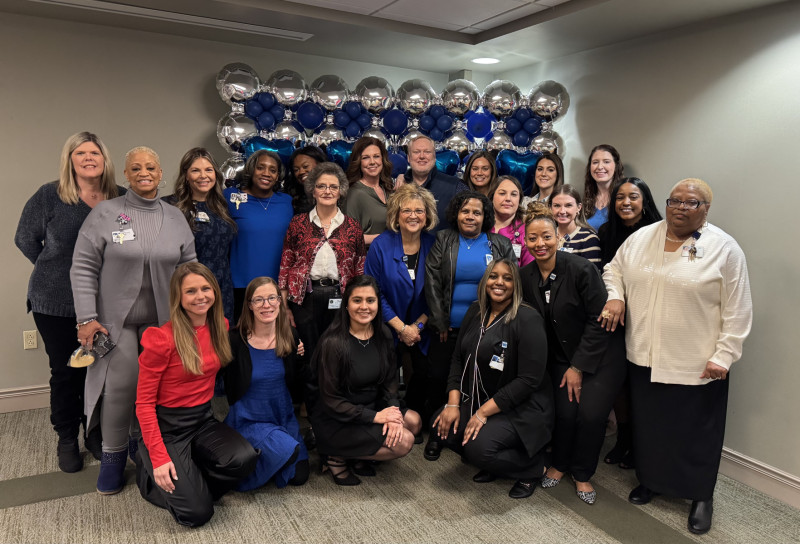
Employee profile: Meet the Baptist heart transplant team
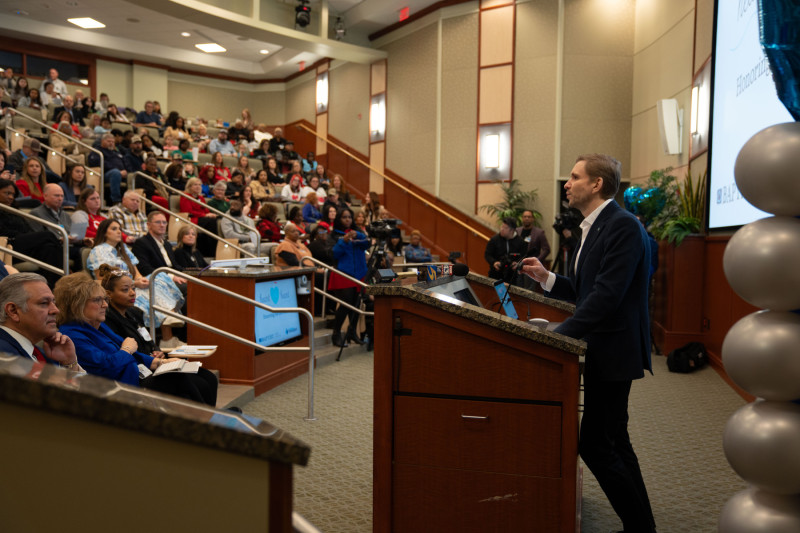
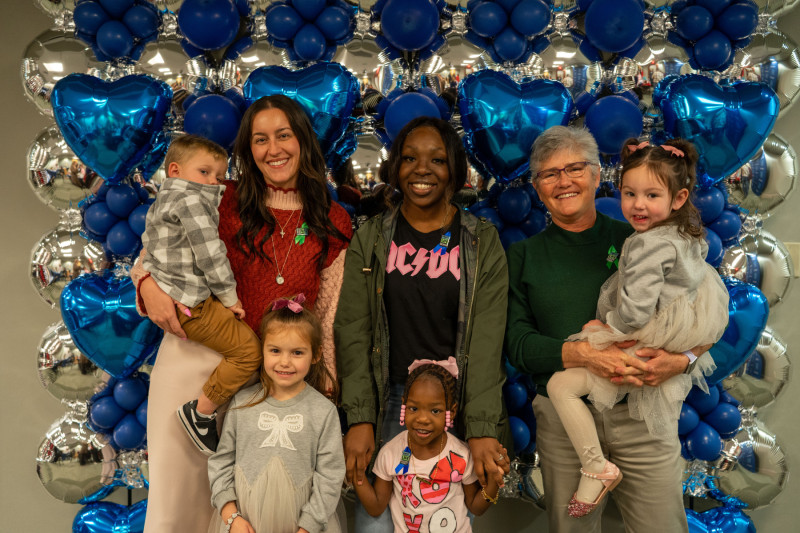
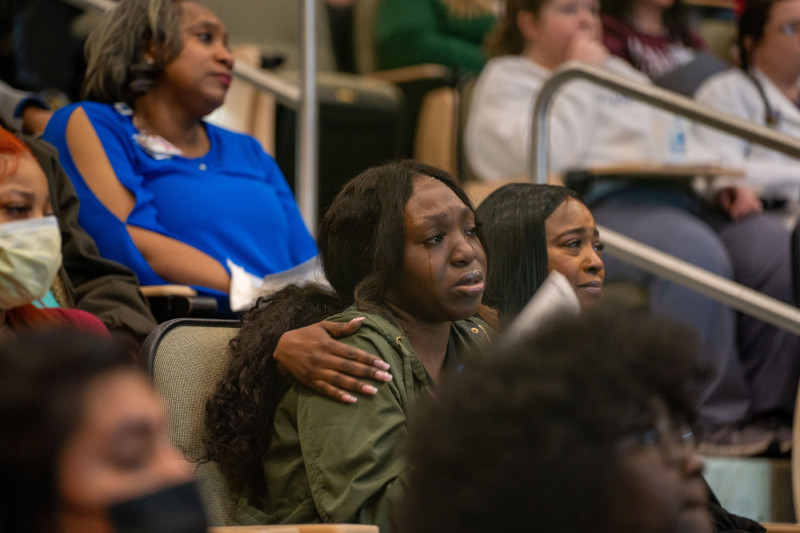
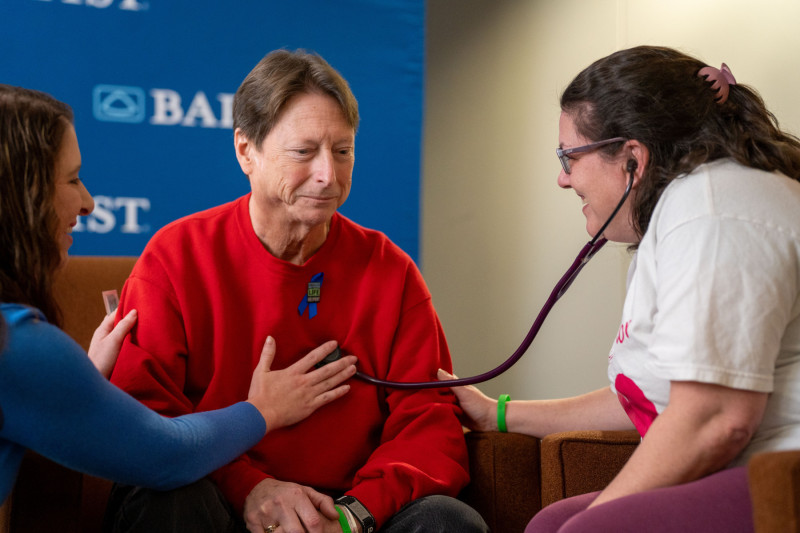
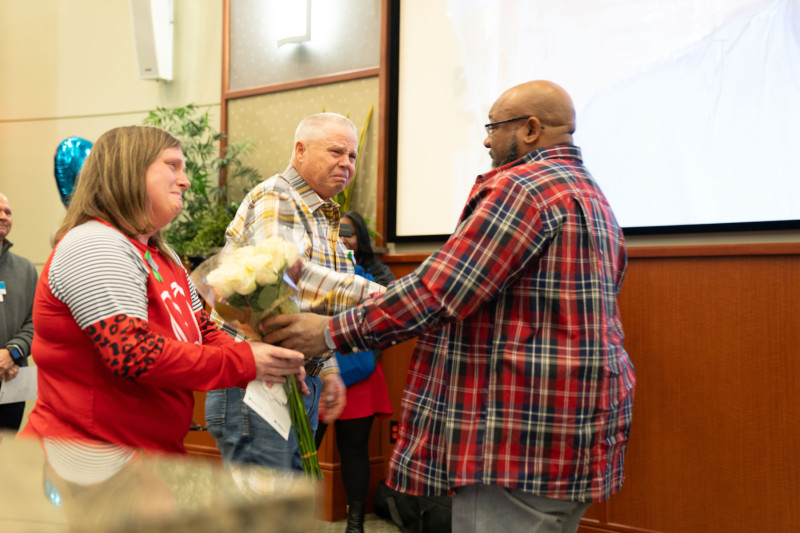
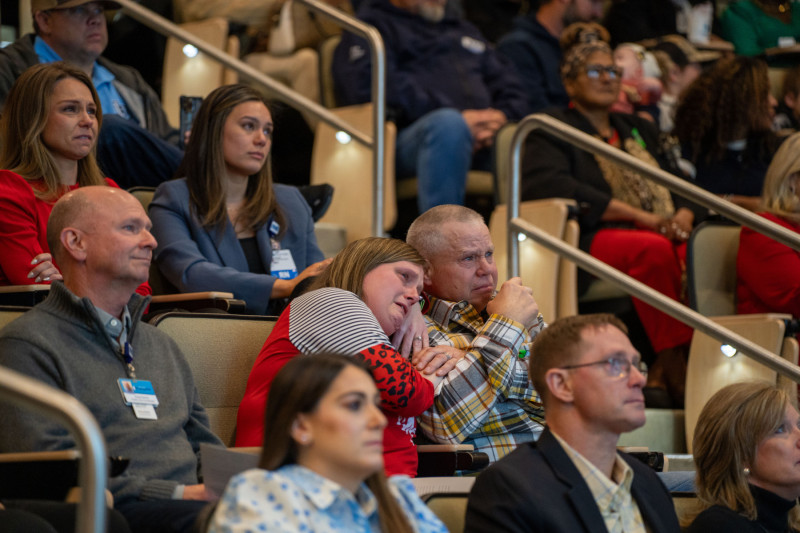
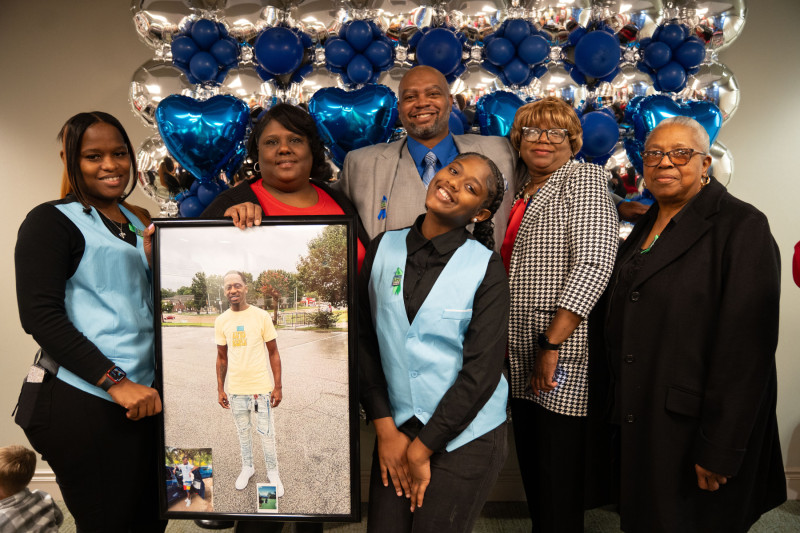
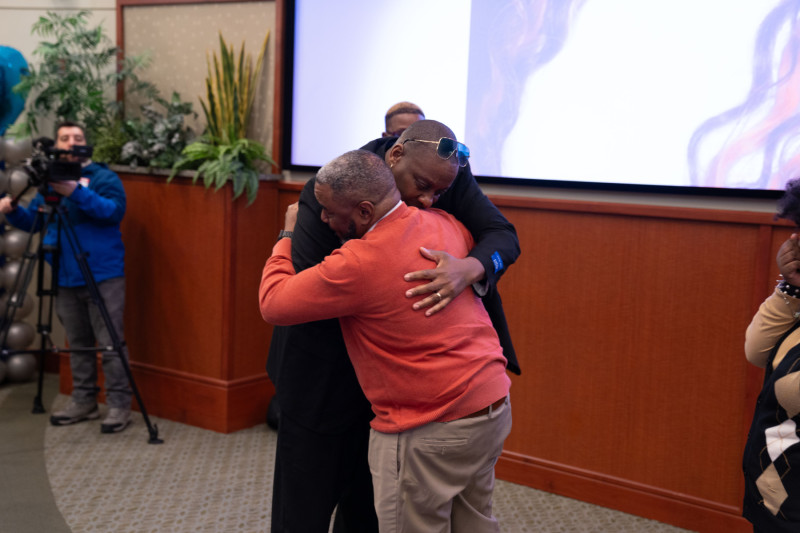
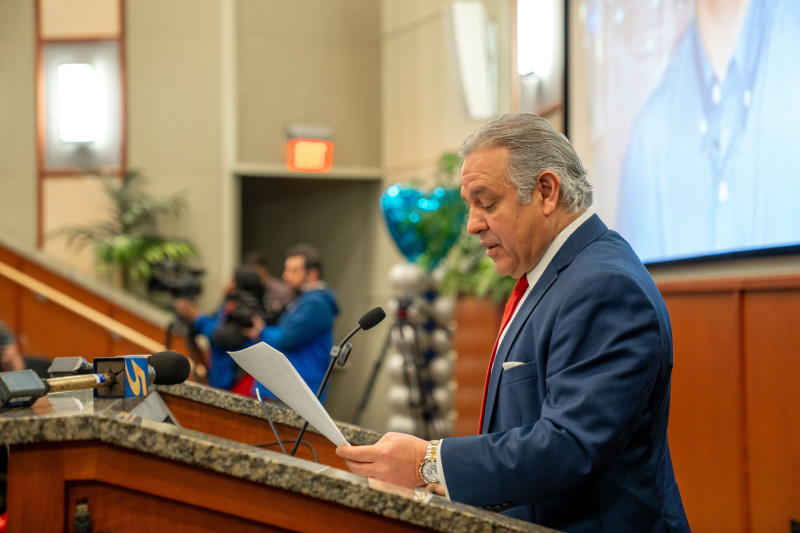
Baptist Heart Institute and Mid-South Transplant Foundation recently hosted the Heart to Heart event, an emotional reunion in which nine heart transplant recipients met the families of their organ donors. This moving event gave heart recipients the opportunity to express their gratitude for a new beginning. Donor families witnessed firsthand how their loved ones saved lives through the gift of organ donation.
Baptist Memorial Health Care has the only adult certified heart transplant program in West Tennessee. Located at Baptist Memorial Hospital-Memphis, Baptist doctors performed the Mid-South’s first heart transplant in 1985 and have transplanted 490 hearts in the past 40 years.
Reneé Hatcher, RN, has been the program’s administrative director since 2022, but she has worked in the transplant unit her entire 37-year nursing career. She knows keeping this program running smoothly requires excellent teamwork.
“We have a really special team here, and they all have a keen ability to connect with patients,” said Hatcher. “Our patients become our patients for life, so developing strong relationships with them is essential.”
Transplant patients receive care from a multidisciplinary team, including doctors, nurses, dietitians, transplant coordinators, case managers, financial coordinators and physical therapists.
Unlike most other hospital units, a transplant program involves lifelong relationships with patients. Many patients arrive at the hospital in very poor health, awaiting a new heart. After receiving the transplant, they need follow-up care at the hospital for the rest of their lives.
Ashley Salameh, RN, first joined the transplant team in the transplant ICU, caring for critically ill patients with heart failure and recent heart transplant recipients. Patients in the ICU receive a variety of heart failure therapies, including medication, implantable devices and transplantation.
“When I first began working in the unit, I’d never seen an environment that intense before. We are with these patients throughout a difficult journey. When we get to see them finally live without heart failure, it’s very rewarding.”
The process does not end when a patient receives a new heart. Recipients require lifelong care to ensure their transplanted organ is thriving, including medications that suppress the immune system.
“A transplanted organ is not native to the patient’s body,” explained Salameh, “so immunosuppressant medication is essential to preventing the immune system from attacking the new organ. That means transplant recipients are more susceptible to viruses because their immune systems are suppressed.”
Today, Salameh is a transplant coordinator and sees patients post-transplant, educating and guiding them through life as an organ recipient.
Three post-transplant coordinators work with recipients, and someone is on call 24 hours a day. After a transplant, patients meet with transplant coordinators weekly, eventually transitioning to monthly appointments. During the second year after a transplant, coordinators meet with patients every six weeks, then every eight weeks for the third year. The fourth year and beyond, transplant recipients see their transplant coordinator every 12 weeks.
An additional two transplant coordinators work specifically with patients prior to transplant, overseeing the process of evaluating patients and getting them on the organ wait-list.
The transplant unit is a fast-paced and sometimes stressful work environment, and Nurse Manager Jenifer Graham believes teamwork is what makes their group successful.
“We communicate well and trust each other because we all want to take the best care of our patients,” said Graham. “We are highly engaged and constantly learning about new therapies and equipment to serve patients with advanced heart failure.”
Meet members of Baptist Heart Institute’s transplant team:
To join the Baptist team, please click here.
For more information about Baptist Heart Institute, click here.