Baptist Center of Excellence in Addiction Medicine provides hope through expertise and personal experience
Certified peer recovery specialists support patients on their recovery journey
Baptist Memorial Health Care created the Center of Excellence in Addiction Medicine to provide comprehensive treatment for patients with addiction. Treatment includes 24/7 consultation services and follow-up care within 24 to 48 hours of request. Specialists treat addictions to alcohol, opioids, benzodiazepines, cocaine, cannabis, methamphetamines and other substance and behavioral addictions. Certified peer recovery specialists connect with patients and guide them along the road to recovery.
STORIES OF RECOVERY
Brannon P. used to live a double life. He excelled in school and sports, had a lot of friends, graduated from college and began working for a cotton company downtown. He began drinking and experimenting with drugs in college, and the next 20 years led him to cocaine, opioids and pain pills. He spent his 30s in and out of treatment centers.
“People thought I had it together, until I didn’t. I kept digging the hole deeper until I came to the end of myself. I think everyone has to get to that place. Change has to come from the inside.”
When that change came for Brannon, it stuck. He hasn’t touched a mind-altering substance for 10 years.
Madelynn R. recalls going through the motions but not really living.
“I had a family, even new grandchildren, but I had no emotions. I saw the eyes of my grandbabies and knew I had to change.”
When she went to a treatment center in her town, others assumed she was a counselor, not there for treatment. “I wasn’t someone you’d identify as an alcoholic. I didn’t know what to expect from treatment, and I knew I had to humble myself. I always tell people, 'Never forget where you were, but never go back. We do recover.’”
It’s been almost six years since Madelynn stopped drinking and using drugs.
Lisa C. had a painful childhood and began drinking at age 14. For many years, she managed to keep up appearances, getting her child to school on time and staying on top of her job responsibilities.
“I made it look pretty on the outside, but it was really ugly on the inside,” she said. “I didn’t drink every day, but whenever I got the chance, I’d make up for the days I hadn’t been drinking.”
Everything changed when she drove under the influence and had a car accident, badly injuring the other driver. She spent the next four and a half years in prison, where she turned her life around.
“I decided I could be mad the whole time or use it for personal growth. I read 250 books, I graduated from the therapeutic community and began teaching others.”
Lisa has been sober since 2017.
In October 2021, Lisa was released from prison. Her new lease on life did not begin smoothly, and 2022 was a difficult year. She almost severed her finger in a work accident, leading to surgery and physical therapy for six months. She then needed another surgery a month later, followed by a terrible case of COVID-19. In September 2022, she was diagnosed with breast cancer. She’s in remission now, but the chemotherapy caused constant bone pain. Despite these challenges, Lisa never turned to drugs and alcohol.
A lifelong friend helped Lisa get a job as a mentor for others struggling with addiction. That friend was Madelynn.
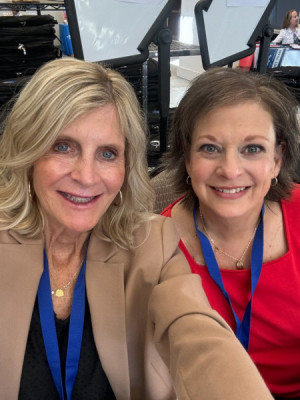
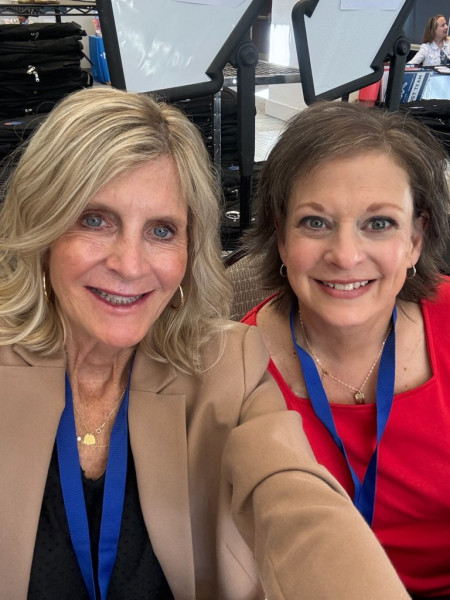
Madelynn (left) and Lisa at a work event.
THE TURNING POINT FOR RECOVERY
Brannon, Madelynn and Lisa have a lot in common. They’ve faced similar demons with addiction and turned their lives around, each relying on their faith to do so. They also turned their recovery into a way to help others, working as certified peer recovery specialists (CPRS), through the Baptist Center of Excellence in Addiction Medicine.
A CPRS is someone with lived experience in long-term recovery who works to help patients identified as having an addiction problem. These positions are key roles in the West Tennessee Addiction Network, funded by a Health Resources and Services Administration grant.
When a Baptist physician identifies a patient who needs help in this area, the CPRS receives an email with information about the patient. They reach out to the patient — sometimes by phone, sometimes in person. They might help someone find a safe house, direct them to a nearby rehab facility, provide job resources or locate the closest Alcoholics Anonymous meeting. They have a network of contacts throughout West Tennessee.
Because they are recovering addicts themselves, the peer recovery specialists often connect with patients in ways others can’t.
“I think people feel like they can open up to me because I’m not wearing a white coat,” said Madelynn. “That makes them more comfortable, and they’ll talk to me in a different way than they might talk to a doctor. I tell them it doesn’t matter what they tell me, because I’m not going to judge them. Then I tell them my own story.”
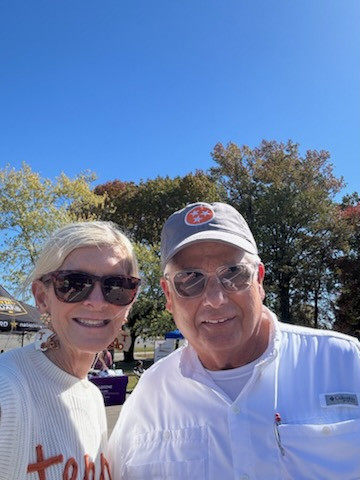
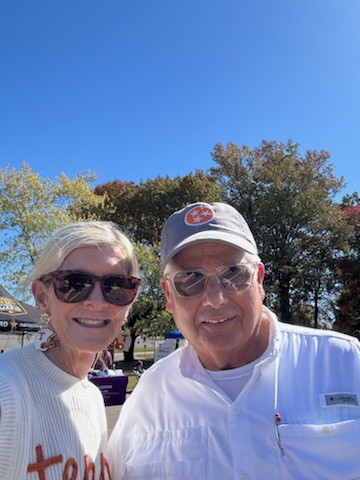
Madelynn and Brannon at a work event
Brannon added, “I just listen and meet people where they are. We all come from different backgrounds, and God created all of us. He didn’t create any junk. I made choices that created junk. God restored me and gave me a gift to help others. I’m so grateful to be able to extend hope to people."
ERASING THE STIGMA
When talking to Brannon, Madelynn and Lisa, one thing stood out right away — they all indicated they didn’t “look” like an addict to others. Each made a reference to keeping up appearances, hiding their inner turmoil from others for years.
“An extremely important part of what we do involves helping others recognize these are people too,” said Lisa. “These aren’t just junkies in the hospital — they’re moms and dads, brothers and sisters, sons and daughters. How you treat them can really affect them. If you treat them like nobody, they will continue thinking they are nobody.”
Madelynn shared similar sentiments. “You can’t look at a person and tell what’s going on. I always tell people that addicts aren’t the people lying in the streets. This is a disease, and the people suffering are normal people you see every day.”
“I tell people all the time that if I can do this, they can too,” said Lisa.
“I think my purpose in life today is to love and help others, so that’s what I try to do,” said Brannon. “We’re all in recovery from something.”
BAPTIST CENTER OF EXCELLENCE IN ADDICTION MEDICINE
The COE in Addiction Medicine is the first-of-its-kind program that provides immediate treatment — in the emergency department or hospital – for patients with substance and alcohol use disorders. The Center of Excellence includes 15 locations within Baptist Memorial Health Care. It also includes the only fellowship program of its kind in the region, which educates future addiction medicine physicians.
For more information about Baptist’s Center of Excellence in Addiction Medicine, click here.
If you need help with addiction, please click here for a list of phone numbers in your area.